By Sarah M. · Updated 2026-08-22 · 12 min read

People waste money on the wrong streaming services because they believe myths instead of checking facts. The ip-tv provider landscape has changed dramatically over the past few years, yet most consumers still operate on outdated assumptions. Whether you're switching from cable or upgrading your current streaming setup, understanding what's real and what's fiction makes the difference between a smooth experience and a frustrating one.
The streaming market is crowded. Every week, new services appear, and old ones change their pricing structures. Without accurate information, you're essentially gambling with your entertainment budget. This article breaks down the five most damaging myths about ip-tv provider services and replaces them with documented reality.
Why Misconceptions Damage Results
Misconceptions lead to poor purchasing decisions. When you believe that all IPTV services are illegal, you might overpay for cable and miss out on significant savings. When you think more channels equals better value, you might subscribe to a bloated service with terrible stream quality. These myths persist because they contain a kernel of truth, but they fail to reflect the nuanced reality of today's market.
The consequences extend beyond wasted money. Believing the wrong myths can lead you to choose a service that buffers during live sports, lacks the channels you actually watch, or locks you into contracts with poor cancellation policies. By separating fact from fiction, you gain the confidence to make an informed decision that fits your viewing habits and budget.
Myth 1: All IPTV Services Are Illegal
The reality: Not all ip-tv provider services operate outside the law. Legitimate services exist and thrive in the marketplace. The key distinction lies in licensing and content distribution rights. Legal providers secure proper agreements with content creators and broadcasters. They pay for the rights to stream channels and programs, just like traditional cable companies do.
The confusion happens because some unlicensed services have given the entire industry a bad reputation. These illegal operations stream content without paying rights holders, which is why they're often shut down without warning. When you're looking at an ip-tv provider, check whether they openly discuss their licensing agreements. Legitimate providers are transparent about their legal status.
How to verify legality: Look for providers that clearly state their licensing partnerships. Check if they have business registration and customer support that actually responds. Legal services typically offer formal payment methods, not just cryptocurrency. If a service seems suspiciously cheap and refuses to discuss licensing, that's a red flag.
Myth 2: More Channels Always Means Better Value
The reality: Channel count is the most misleading metric in the streaming industry. An ip-tv provider that offers 20,000 channels might have terrible quality on every single one. Meanwhile, a service with 2,000 carefully curated channels could deliver crystal-clear HD and 4K streams consistently. The number of channels means nothing if you can't actually watch them without buffering.
Quality matters far more than quantity. A reliable ip-tv provider no buffering experience depends on server infrastructure, bandwidth allocation, and content delivery networks. These technical factors determine whether your stream stays smooth during peak hours or degrades into pixelated frustration.
What actually matters: Look for providers that emphasize their server capacity and content delivery optimization. Read ip-tv provider reviews reddit to see what real users say about stream stability. The best ip-tv provider 2026 won't necessarily have the most channels — it will have the most reliable streams.
Myth 3: Cheap IPTV Always Means Poor Quality
The reality: Price is not a reliable indicator of quality in the IPTV market. Some of the cheapest services offer excellent value because they've optimized their infrastructure efficiently. Conversely, expensive services sometimes deliver mediocre experiences because they're spending money on marketing rather than technology.
The cheapest ip-tv subscription can still provide excellent streaming quality if the provider invests in proper infrastructure. Many affordable providers use efficient content delivery networks and smart bandwidth management to offer competitive quality at lower prices. The key is understanding what you're paying for.
What to look for: Review the trial period. A confident ip-tv provider will offer a free trial so you can test stream quality before committing. During the trial, test different channels, especially during peak evening hours. This gives you real evidence about whether the service performs well, regardless of its price point.
Myth 4: IPTV Is Only for Tech-Savvy Users
The reality: Modern ip-tv provider services have become remarkably user-friendly. The days of complex configuration files and technical troubleshooting are mostly over. Today's quality providers offer apps for major platforms including Android TV, Fire Stick, iOS, and Smart TVs. You install the app, enter your credentials, and start watching within minutes.
Setup processes have been streamlined significantly. Most providers offer step-by-step guides and responsive customer support for installation questions. If you can use Netflix, you can use a quality ip-tv provider service. The technology has matured to the point where technical expertise is no longer a requirement.
The simplification trend: Providers recognize that their growth depends on accessibility. They've invested in user-friendly interfaces, electronic program guides, and automatic updates. This focus on usability means that even first-time users can navigate channels, set favorites, and access on-demand content without difficulty.
Myth 5: Cable TV and IPTV Offer Identical Experiences
The reality: The iptv service vs cable tv comparison reveals fundamental differences beyond just delivery method. IPTV offers features that cable simply cannot match. You get video-on-demand libraries, catch-up TV, multi-device streaming, and often better pricing. The flexibility of watching on your schedule, not the broadcaster's schedule, is a game-changer.
Cable TV operates on a fixed broadcasting schedule. You watch programs when they air, or you record them with a DVR. IPTV provides more control. You can pause, rewind, or start over on live programs. Many services offer extensive on-demand libraries that rival streaming platforms like Netflix.
The practical differences: IPTV also excels in multi-device support. A quality ip-tv provider lets you watch on your TV, phone, tablet, and laptop simultaneously — depending on your subscription tier. Cable TV is typically limited to specific set-top boxes in your home. This flexibility makes IPTV particularly attractive for families with diverse viewing habits.
What Actually Works Based on Evidence
After examining the myths, let's look at what genuinely matters when choosing an ip-tv provider. Evidence from user experiences and industry data points to several key factors that determine satisfaction.
Server infrastructure matters most. A reliable ip-tv provider no buffering experience starts with robust servers. Providers that invest in dedicated servers and content delivery networks deliver smoother streams. This is especially critical for live sports and events where buffering ruins the experience.
Trial periods are essential. The best ip-tv provider 2026 services offer free trials. These trials let you evaluate stream quality, channel selection, and interface usability before spending money. No trial period is a significant warning sign.
Customer support quality varies widely. When problems arise, responsive support makes all the difference. Look for providers with multiple contact channels, including live chat and email. Read ip-tv provider reviews reddit specifically for customer support experiences.
Device compatibility is non-negotiable. Ensure the provider supports the devices you actually use. Whether that's Android TV, Fire Stick, iOS, or a smart TV, compatibility determines whether you can watch comfortably.
Comparison Table: What to Evaluate
The Pros and Cons of IPTV Services
✓ Benefits & Pros
Cost savings compared to cable packages
Multi-device streaming flexibility
Extensive on-demand content libraries
Watch anywhere with internet connection
✗ Limitations & Cons
Requires stable internet connection
Quality varies between providers
Some services may lack proper licensing
Live events can buffer during peak times
RECOMMENDED RESOURCE
ip-tv provider
See current details, seasonal promos, and full tier packages.
Learn more about ip-tv provider →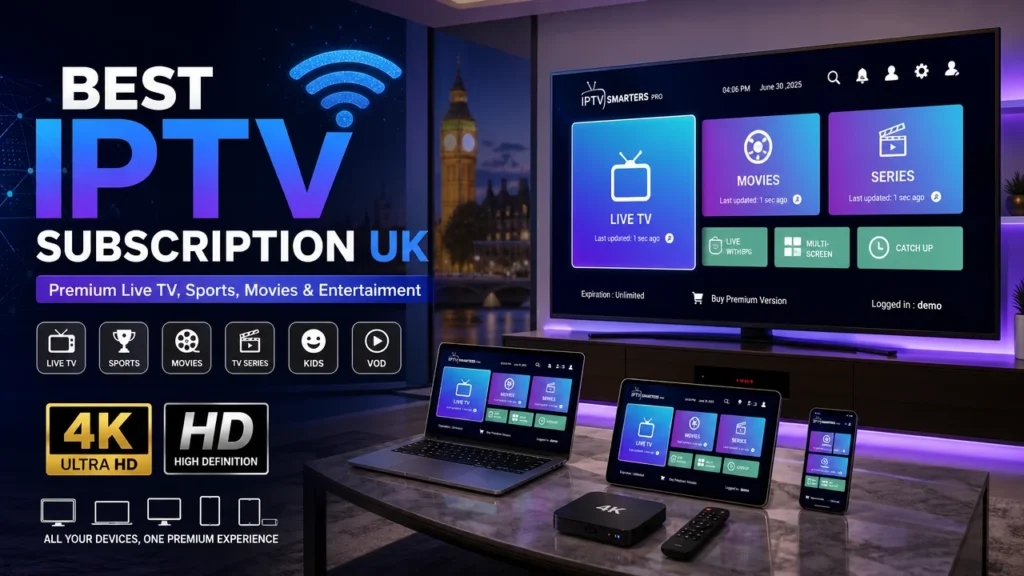
How to Choose an ip-tv provider: Step-by-Step
Now that you understand the myths and realities, here's a practical approach to selecting the right service.
Step 1: Define your viewing habits. Make a list of the channels and content types you watch most. Sports fans need a provider with strong sports coverage. Movie enthusiasts need a robust on-demand library. Your viewing habits determine which provider features matter most.
Step 2: Research provider reputation. Read ip-tv provider reviews reddit and other independent forums. Look for patterns in user feedback. If multiple users report buffering issues or poor customer support, take those complaints seriously. Recent reviews matter more than older ones.
Step 3: Verify device compatibility. Check that the provider supports your preferred devices. Whether you're using an Android TV, Fire Stick, iOS device, or smart TV, compatibility is essential. Some providers offer apps, while others require third-party players.
Step 4: Test the trial period. Use the free trial to evaluate stream quality, channel selection, and interface usability. Test the service during peak hours to see if it maintains quality. This is the most reliable way to determine if a provider meets your standards.
Step 5: Evaluate customer support. Contact support with a question before subscribing. Measure response time and helpfulness. A provider that responds quickly and helpfully during the trial is likely to provide good support after you subscribe.
Step 6: Compare pricing tiers. Look beyond the headline price. Check what's included in each tier. Some providers offer discounts for longer commitments, but make sure you're comfortable with the contract terms before committing.
Unlock complete high-definition information instantly here.
Explore ip-tv provider Plans →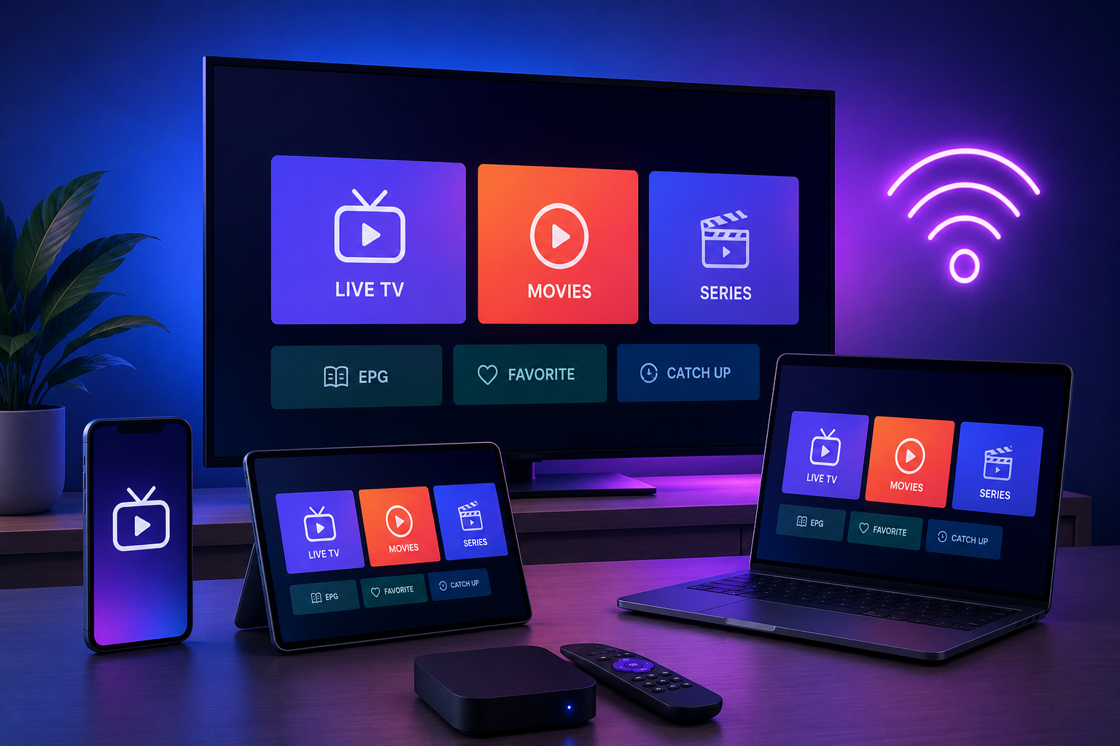
Making the Right Choice
The evidence is clear: choosing the right ip-tv provider comes down to research, testing, and understanding your own viewing needs. The myths we've debunked represent outdated thinking that leads to poor decisions. By focusing on real factors — server quality, licensing, trial periods, and user reviews — you position yourself to make an informed choice.
The iptv service vs cable tv comparison increasingly favors IPTV for most households. The flexibility, cost savings, and content variety make it an attractive option. However, the quality of your experience depends entirely on the provider you choose. A reliable ip-tv provider no buffering experience is achievable, but it requires careful selection.
Start with a trial period. Test the service on your actual devices, during your typical viewing hours, and with the content you care about most. This practical approach eliminates guesswork and ensures you're making a decision based on evidence rather than marketing claims.
For sports fans, find an ip-tv provider for sports that offers dedicated sports channels and reliable live streaming. For budget-conscious viewers, compare the cheapest ip-tv subscription options but prioritize reliability over price. For those wondering where to buy ip-tv legally, look for providers with transparent licensing and business practices.
Featured Streaming Selection:
See ip-tv provider Pricing →Affiliate Disclosure: Clicking this secure link verified by our network supports our team through standard partnership terms at zero extra cost to your invoice.
Frequently Asked Questions
This article contains affiliate links. Our editorial analysis remains independent.